
Embedded Fractional COO Leadership
We build the operation behind the vision.
Senior operational leadership for growing organizations that need someone to own execution without hiring a full-time COO. Ilumina embeds a senior operator alongside the leadership team to carry accountability, operating rhythm, and follow-through.
One leader is carrying too much of the operation.
What usually makes it urgent:
Too many decisions still come back to one leader
Important priorities keep slipping
Growth is exposing weak roles, handoffs, or accountability
The Integrator seat is empty or weak
An exit, funding event, or major growth step will test the organization
Most organizations have already tried to fix it.
Keep it with the current leader
Too much still depends on one person
Promote internally
They may not be ready
Hire a consultant
Leadership still owns implementation
Rely on an EOS® Implementer alone
They coach the system but do not own weekly execution
Hire a full-time COO
More commitment than the organization needs right now
Ilumina
A senior operator steps in and owns execution.
Organizations that have grown past what one leader can hold.
Mission-driven organizations, owner-led businesses, and organizations running EOS that need an Integrator in the seat.
Usually there is a real project on the table, a reason it cannot wait, and a leadership team already looking for a better answer than the ones above.
Good people need good systems.
We don't hand over a deck and disappear. We take ownership of the operation and build it with the team.
Accountability
Clear ownership, decision rights, and follow-through, so work does not drift back to the leader.
Operating rhythm
Weekly meetings and quarterly priorities that keep the team focused without heroics.
Systems & documentation
Practical workflows your team can understand, use, and maintain without you in the room.
Workflow repair
We find where work stalls, breaks, duplicates, or depends on one person, then fix the highest-impact points first.
Leadership support
Managers become clearer owners. Teams stop waiting for the top of the org chart to make every call.
Compliance & funder readiness
For organizations facing boards, funders, auditors, or government contracts: reporting infrastructure that survives scrutiny.
Practical automation
Technology, AI, and automation where they remove real friction: intake, follow-up, reporting, documentation, handoffs. Not tech for show. Tools that make the operation lighter.
Fractional COO Partnership
10 to 20 hours a week, embedded. Minimum 12-month commitment.
An organization that operates without everything coming back to one leader.

See clearly
Diagnose what matters, surface the real constraints, and align leaders around the right priorities.

Build the system
Create accountability, operating rhythm, clearer roles, and systems that make execution repeatable.
Grow capability
Develop leaders, strengthen ownership, reduce dependency on key people, and plan for a full-time COO.
The point is not to make the organization more complicated. The point is to make it easier to lead.
Start with a conversationRunning EOS but missing the Integrator?
The Implementer teaches and facilitates EOS. The Integrator owns execution inside the organization. Ilumina can fill or strengthen that seat.

Operational depth and relational trust, in one partnership.
Drew is usually the first conversation; Luisa leads the operational work. That means the first call is grounded in fit and honesty, and the engagement is led by the person responsible for running the operation.
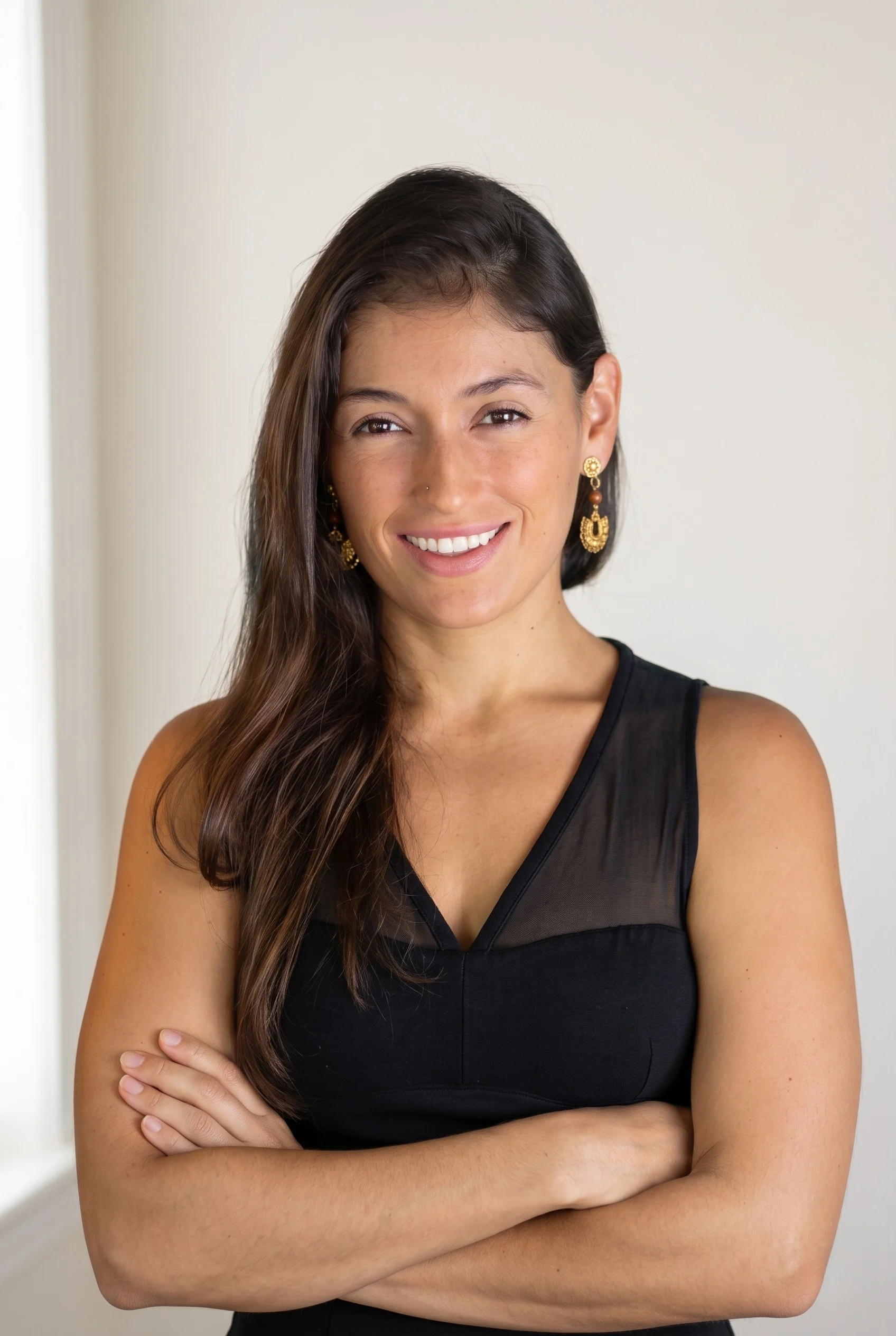
Luisa is the senior operator clients are hiring. She brings calm, structure, and follow-through to organizations that have outgrown informal systems. Her fifteen-plus years of operations leadership sit at the intersection of people, systems, accountability, compliance, and execution, including more than a decade leading operations in complex, high-stakes, multi-agency work.
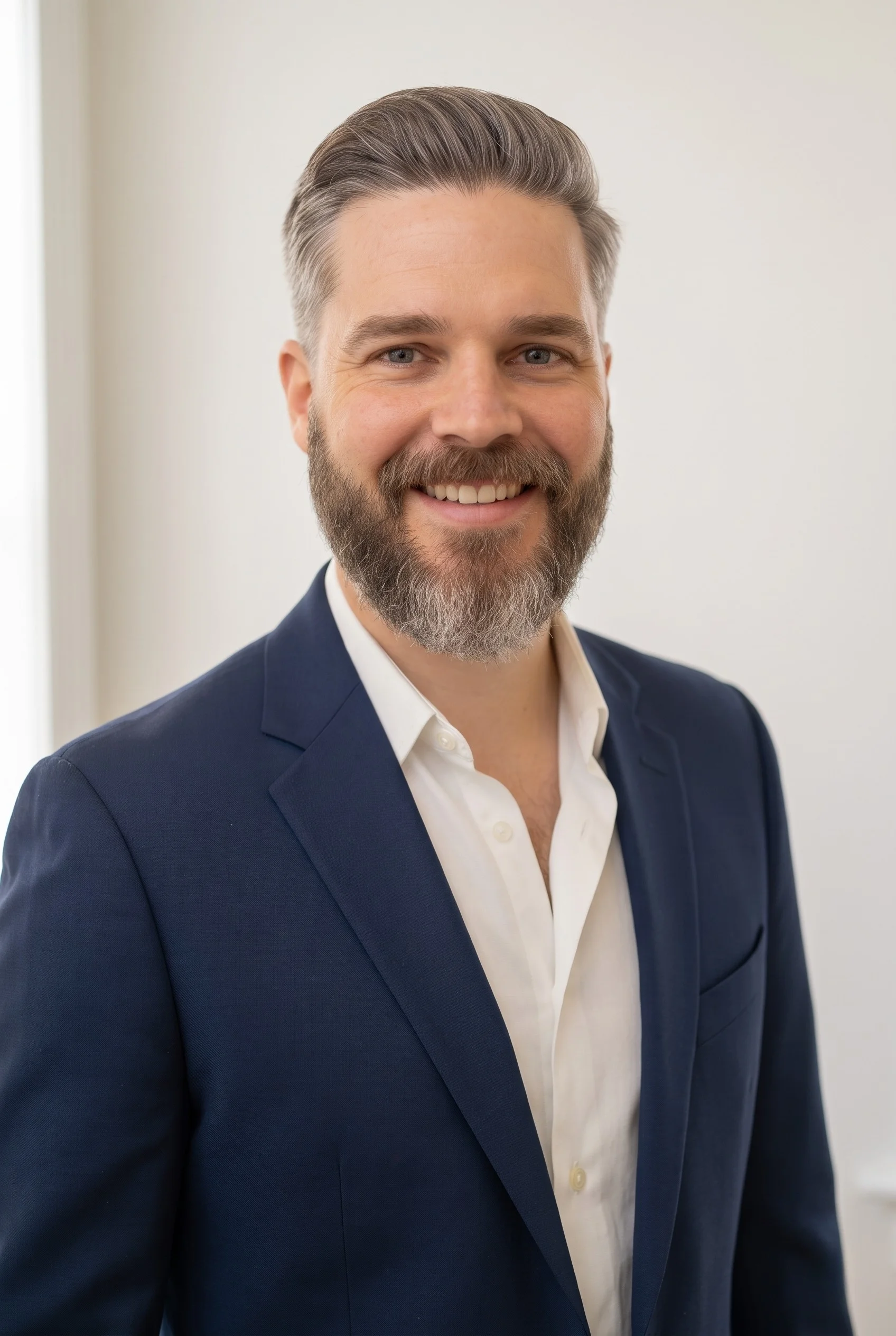
Drew leads client relationships and strategic diagnosis, helping leaders make the strain specific, determine fit, and decide what kind of operating support is needed next. He brings the owner's perspective: relational trust, commercial instincts, and startup experience.
What I appreciate about Drew and Luisa is that they’re not simply trying to become another fractional COO or Integrator option. They’re thoughtful about the people, the organization and where it is trying to go. Drew brings discernment and a future-focused perspective, while Luisa brings the operational leadership to develop people, create clarity and turn ideas into execution.
I have worked closely with Luisa in a variety of capacities for more than a decade, including as my Deputy Director and as a trusted advisor. She brings clarity, structure, and sound judgment to complicated work, consistently turning complex challenges into practical plans and moving important initiatives forward. Luisa is a person of exceptional integrity who has earned my complete trust.
Luisa leads with a compassionate, people-first approach. She sets clear goals, focuses on growth, and creates a thriving environment for her team. Her ability to foresee challenges and opportunities shapes organizational culture and drives efficiency. She made leading operations appear effortless. She maintains great context on the work while giving people room to execute, always asking insightful questions to understand the full picture before proposing solutions.
A founder-led organization past $3M, growing fast, with everything routing through one or two people. Committed team, unclear ownership, meetings that rarely ended in decisions.
A weekly and quarterly operating rhythm, a clear ownership map, two repaired workflows, and a short list of automations that removed daily friction.
The founder stepped out of daily operations. Priorities became visible, meetings drove decisions, and the team carried the work.
A few things leaders ask first.
What does a fractional COO actually do?+
Builds and runs the operation: accountability, meetings, priorities, workflows, systems, leadership structure, and execution rhythm, delivered in 10–20 embedded hours a week.
How is this different from hiring a consultant?+
We don't hand over a deck and disappear. We work inside the organization, implement the changes, and stay accountable for whether the operation actually runs better.
Do we need to be running EOS?+
No. We support EOS teams that need Integrator-style help, and we work just as well with organizations that don't use EOS at all.
Are you a fit for nonprofits?+
Yes. Mission-driven organizations are a core specialty. Luisa has managed $7.2M in government contracts and grants in compliance-heavy environments, and capacity-building grants can often fund the engagement itself.
Where does technology fit?+
After the workflow is clear. We use technology, AI, and automation where they remove real work: reporting, intake, follow-up, documentation, handoffs. Technology is not the offer. A better-run organization is the offer.
What happens on the first call?+
A conversation, not a pitch. We'll ask what's breaking, what you've tried, and where the team is stuck. If there's a fit, we'll outline what the engagement would look like.
Do you work remotely?+
Yes. Based in Raleigh–Durham–Chapel Hill, working with clients across the US. Embedded means inside your tools and meetings, so geography doesn't change the work.
How is this different from working with an EOS Implementer?+
The Implementer teaches and facilitates EOS. The Integrator owns execution inside the organization. We fill or strengthen that seat and stay embedded week to week.
Why a 12-month minimum?+
Because the first 90 days are diagnosis and alignment. The system gets built by mid-year and the team grows into it after that. Shorter engagements leave the organization with a plan and no one to carry it.
Start with a conversation
If an organization has outgrown the way it is being run, let's talk.
Schedule a conversation